
Co-Occurring Disorders Treatment for Women in Palm Desert
If you’ve been drinking or using to get through anxiety, old trauma, mood swings or grief, you’re far from alone, and you don’t have to sort out which problem came first before asking for help. Tranquil Palms is a women’s addiction treatment center in Palm Desert, California, and every condition we treat, we treat alongside addiction, with one team looking at the whole picture.
Care happens in a women-only setting, from structured daytime treatment to lighter outpatient support as you grow steadier. Our admissions team is available 24/7 to talk through what’s going on and check your insurance.
What Are Co-Occurring Disorders?
Co-occurring disorders means having a substance use disorder and a mental health condition at the same time, such as alcohol addiction alongside depression, or drug use alongside PTSD. You may also hear it called dual diagnosis. It’s common: the Substance Abuse and Mental Health Services Administration (SAMHSA) estimates that about 21.2 million U.S. adults have both a mental illness and a substance use disorder (1).
The two conditions tend to feed each other. Drinking can quiet anxiety for an evening and make it worse by morning. A depressive stretch can make using feel like the only relief. Because the symptoms can overlap, an accurate diagnosis matters, and treating both together in one coordinated plan is generally recommended over treating each one separately (2).
That’s what co-occurring disorders treatment means here: your mental health and your recovery are assessed together, treated by one team and adjusted together as you change.

Find out if your insurance will cover the cost of treatment.
"*" indicates required fields
Conditions We Treat Alongside Addiction
Every program at Tranquil Palms is built for women working through alcohol or drug addiction. Most also carry something else with it. These are the conditions we treat as part of that recovery.
Drug Addiction
Drug use can start as a way to cope, manage pain or keep up, and slowly take over. We treat addiction to drugs, including misuse of prescription medications, with individual therapy, women’s groups, relapse prevention and psychiatric care. See the addictions we treat.
Alcohol Addiction
Many women who come to us have been drinking to manage stress, sleep, loneliness or emotions they haven’t had room to feel. Alcohol treatment focuses on getting safely stable, understanding what drinking has been doing for you and building other ways to cope. Learn more about alcohol addiction treatment for women.
Trauma and PTSD
Trauma from childhood abuse, domestic violence, sexual assault or coercive relationships can leave the nervous system stuck on high alert, and substances often become a way to quiet it. Our trauma-informed care focuses on safety and stabilization first, with therapies such as cognitive processing therapy (CPT) and eye movement desensitization and reprocessing (EMDR) when appropriate. Read about our women’s trauma treatment program.
Bipolar Disorder
Bipolar disorder and substance use often feed each other: a drink to come down from a manic stretch, pills to get through a depressive one. We treat bipolar disorder alongside addiction with psychiatric care and medication management, therapy and support for building the routines that help keep mood steady. See our bipolar treatment for women.
Anxiety, Depression and Other Mental Health Concerns
Many women arrive managing anxiety, depression, grief, emotional numbness or years of burnout alongside their drinking or drug use. You don’t need every concern named before you call. Our mental health support page explains how we treat mental health and addiction at the same time.
How Care Is Structured
Every condition on this page is treated within the same set of programs, so where you start depends on how much support you need right now, not which condition you have. Most women begin in our partial hospitalization program (PHP), with structured treatment several days a week, then step down to an intensive outpatient program (IOP) and standard outpatient care as they grow steadier.
Optional live-in care gives women a stable place to stay during PHP or IOP, and extended-stay emotional wellness offers more time for deeper work, including EMDR when appropriate. When programming ends, aftercare and alumni connection help you stay supported as life opens back up.
Compare each level of care on our rehab programs for women page.
Some situations need a different setting first. If you’re at risk of dangerous withdrawal from alcohol or certain medications, or need hospital care to stabilize severe symptoms, our admissions team can talk through what that step looks like and when stepping into our program may make sense.
Why a Women-Only Setting Matters
Talking about trauma, a relationship that turned frightening, or how drinking affected your parenting can feel easier in a room of women. Many women find they open up faster and feel less pressure to stay composed when everyone in the group shares some of the same realities.
At Tranquil Palms, every program, group and live-in space serves women only. For women with trauma histories in particular, that sense of safety can make it easier to settle in and do the work of recovery.



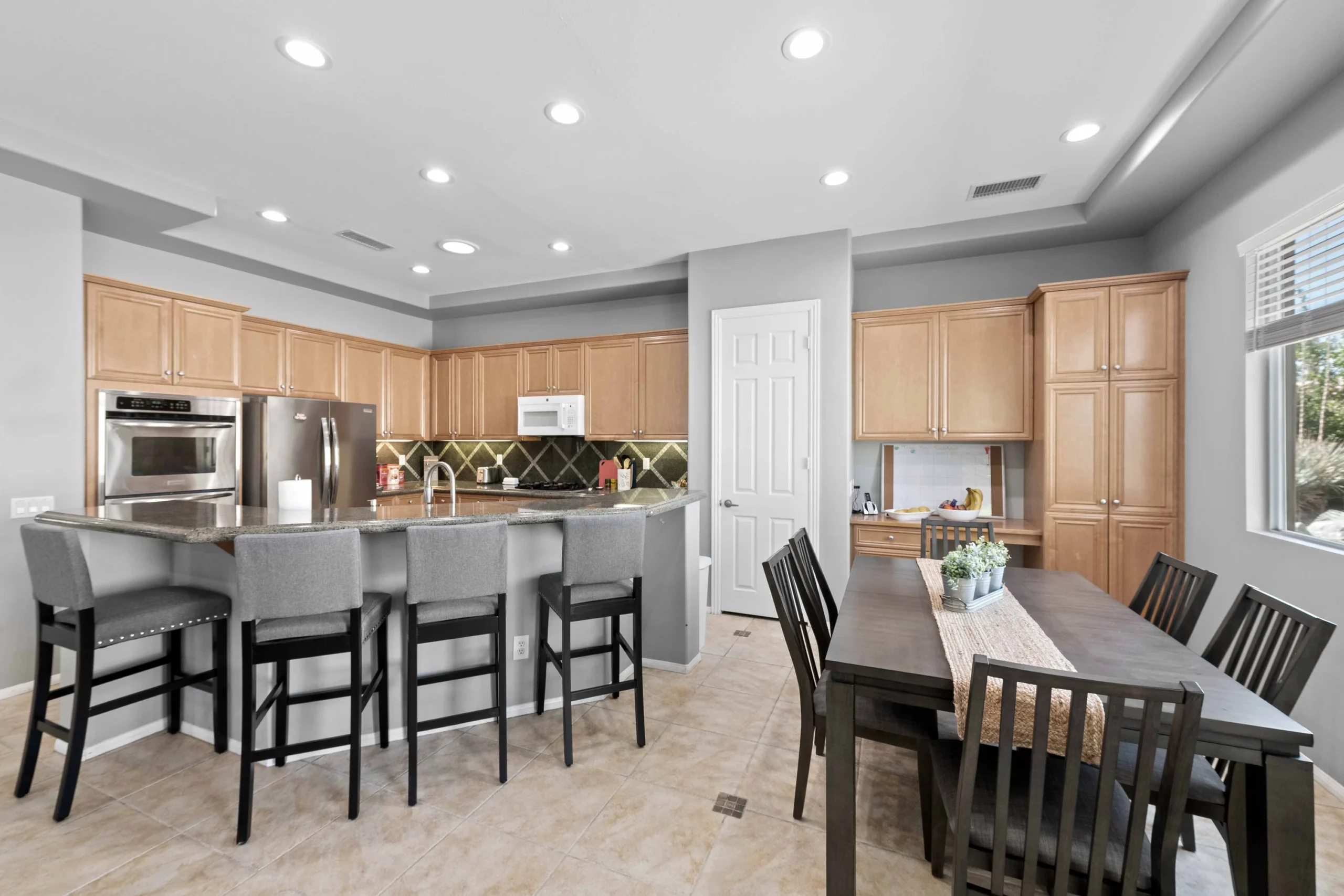
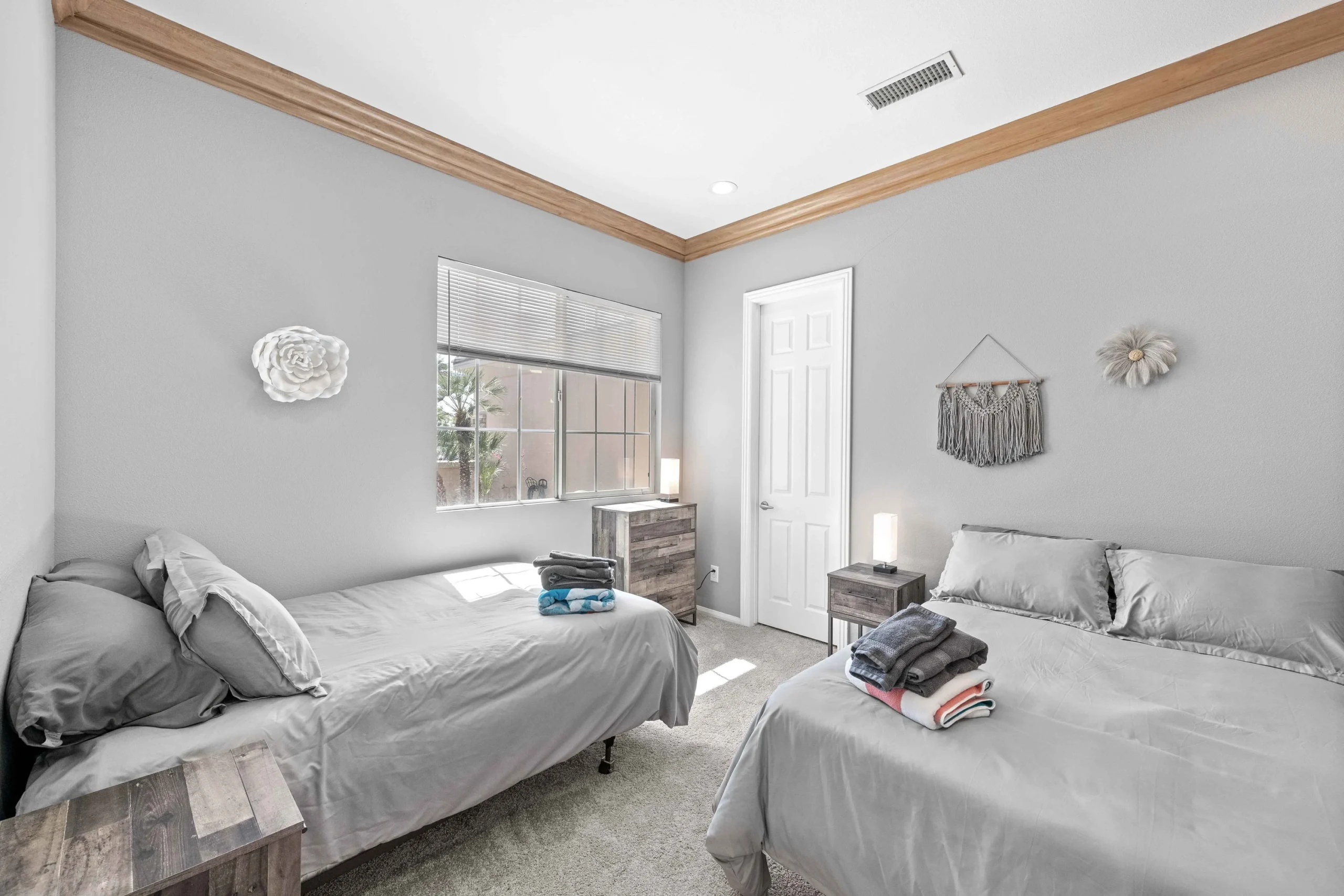

Learn More About Tranquil Palms
Want to understand our approach, our setting, and what makes Tranquil Palms different?
Frequently Asked Questions About Co-Occurring Disorders Treatment
Is Co-Occurring Disorders Treatment the Same as Dual Diagnosis Treatment?
Yes, for the most part. Both terms describe treating a substance use disorder and a mental health condition at the same time. Federal health agencies tend to use “co-occurring disorders,” while many treatment centers say “dual diagnosis.”
Do I Need a Diagnosis Before I Call?
No. Many women come to us with a diagnosis they’re unsure about, or none at all. Our assessment looks at your mental health and substance use together, and finding the right diagnosis can be part of treatment.
What If I Don't Use Alcohol or Drugs?
Our programs are designed for women dealing with substance use alongside mental health concerns. If substance use isn’t part of your situation, call admissions anyway. We can talk through whether our program fits or help point you toward care that does.
Who Does Tranquil Palms Treat?
Tranquil Palms treats adult women only. We don’t treat men, and we don’t offer eating disorder treatment.
What Should I Look for in Co-Occurring Disorders Treatment Centers?
Look for a program where one team treats both conditions, rather than sending you to separate providers who rarely talk. A strong program usually includes an assessment of both your mental health and substance use, psychiatric care and medication management, evidence-based therapy and a plan for support after treatment ends.
Does Insurance Cover Co-Occurring Disorders Treatment?
Many plans cover treatment for co-occurring mental health and substance use conditions, but coverage varies by plan, level of care and medical necessity. Our admissions team can verify your benefits before you decide anything.
Talk with Our Admissions Team
You don’t have to figure out which condition to treat first or which program fits on your own. One private, judgment-free call can help you understand your options, check your insurance and find a starting point. Admissions is available 24/7.